August 27, 2025
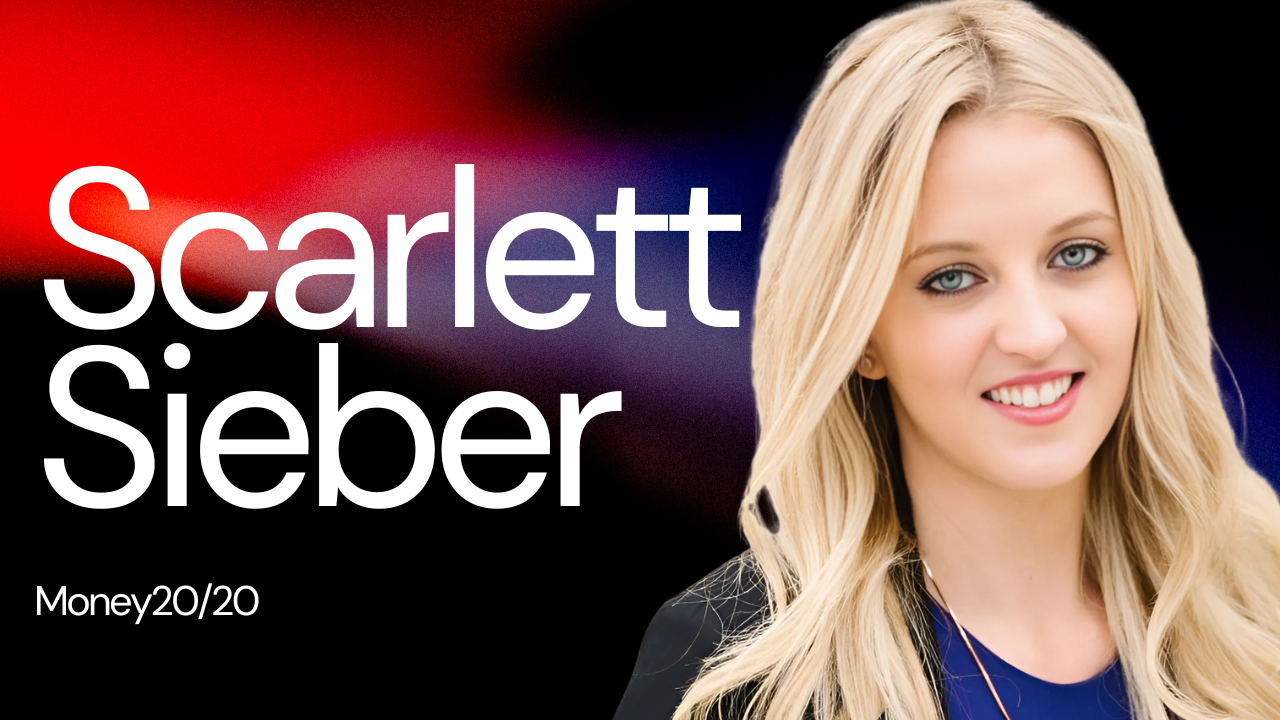
In this 2025 episode of the Highline Beta podcast, Scarlett Sieber argues that successful corporate innovation requires understanding stakeholder psychology, reframing risk-averse language, and recognizing that partnerships fail due to misalignment rather than technology issues.
Corporate innovation success depends heavily on psychological factors that are often overlooked, according to Scarlett Sieber. She emphasizes that getting leaders to pursue new growth requires understanding what motivates different stakeholders—some need revenue models, others fear falling behind competitors, and a few respond to competitive pressure. Scarlett Sieber also advocates for replacing "fail fast" language with "experiment cheaply" when communicating with risk-sensitive executives like CFOs, as the reframing creates space for exploration without triggering risk aversion.
Scarlett Sieber explains that motivation varies significantly among stakeholders within large organizations. Some leaders need to see clear revenue models before committing to innovation initiatives, while others are motivated by competitive pressure or fear of falling behind industry trends. She recommends that corporate innovators figure out what makes their specific stakeholders tick and tailor their messaging accordingly, since innovation decisions are personal before they become professional.
Rather than using startup language like "fail fast," Scarlett Sieber suggests reframing the concept as "experiment cheaply" when speaking to CFOs and other risk-sensitive leaders. This language shift maintains the same underlying concept while making it feel responsible, measured, and intentional. The reframing helps create space for exploration without immediately triggering risk aversion that could kill innovation projects before they start.
According to Scarlett Sieber, most partnerships don't fail because of technology issues but because of fundamental misalignment during the integration phase. She recommends securing multi-level buy-in rather than relying on a single champion, bringing legal and compliance teams into discussions early rather than letting them become blockers later, and ensuring both parties understand each other's tempo and expectations around speed, ownership, and value creation.
Scarlett Sieber, who literally wrote the book on embedded finance, sees 2025 as the beginning of real integration rather than the end of the embedded finance trend. She observes that companies are moving beyond chasing buzzwords to focus on removing customer friction and creating new revenue streams. When executed properly, embedded finance becomes a loyalty driver, data flywheel, and experience differentiator, with the second wave expected to be bigger, smarter, and more invisible than the first.
There are few people with a better vantage point on fintech innovation than Scarlett Sieber.
She’s worked at the intersection of transformation, regulation, and new venture creation across some of the most complex financial institutions in the world. Today, she leads strategy and growth at Money20/20, a platform that has become the heartbeat of the global fintech ecosystem.
We sat down with Scarlett to unpack what she's seeing in 2025, how leaders should be thinking about risk, regulation, and embedded finance, and what it really takes to drive innovation beyond the core.
Here are five takeaways we’ll be thinking about long after this episode:
One of the most overlooked parts of corporate innovation? Motivation.
Scarlett reminded us that getting leaders to pursue new growth isn’t just about presenting a smart framework or compelling data set. It’s about understanding what moves people. Some need to see revenue models. Others need to feel like they’re not falling behind. A few need to hear that a competitor is already testing it.
Innovation is personal before it’s professional.
Scarlett’s advice: figure out what makes your stakeholders tick, and tailor your message accordingly.
Words matter. Especially inside a large, risk-sensitive organization.
Scarlett gave one of our favorite reframes of the episode: stop saying "fail fast" and start saying "experiment cheaply."
It’s the same concept, but the latter feels responsible, measured, and intentional. It creates space for exploration without triggering risk aversion.
This is a critical point for any corporate innovator. How you package your message often matters as much as what you’re actually saying.
Scarlett has a rare global view thanks to Money20/20’s footprint across the US, Europe, Asia, and now MENA.
What’s she seeing?
The throughline? The interest in transformation is real. But the playbook varies wildly by region.
Scarlett has seen too many partnerships die in the integration phase.
Why? Because most companies underestimate what it takes to go from “Yes” to “Live.”
Her tactical advice:
Partnerships require not just shared goals, but shared expectations. Especially around speed, ownership, and value creation.
Scarlett literally wrote the book on embedded finance.
So when she hears executives declare it "dead," she doesn’t just disagree—she digs into the nuance.
What she's seeing in 2025 is not the end of embedded. It's the beginning of real integration.
More companies are realizing that embedding financial services isn't about chasing buzzwords. It's about removing friction for customers and creating new revenue in the process. Done right, it becomes a loyalty driver, a data flywheel, and an experience differentiator.
We're still early. But the second wave of embedded finance is going to be bigger, smarter, and more invisible than the first.
Scarlett’s clarity, realism, and optimism are exactly what this moment requires. Whether you’re a fintech founder, a banking executive, or a corporate innovator navigating transformation from within—there’s something in her story for you.
This is the mindset required to go beyond the core.
—Ben & Marcus
We always enjoy conversations about innovation and startup building so please get in touch.






.png)